
Warmer floors in winter
Insulation between the joists slows heat transfer, so the floor surface stays closer to room temperature instead of feeling icy underfoot. This is noticeable in living areas and bedrooms above a crawl space.
Werribee
Underfloor insulation in Werribee stops cold air rising through suspended timber floors, eliminating draughts and cutting winter heating costs for older homes.
Share your details and Expert Insulation Melbourne will contact you about Underfloor Insulation in Werribee.
Werribee’s older brick and weatherboard homes often have suspended timber floors with no insulation, letting cold air rise through gaps in the floorboards. Underfloor insulation fits between the floor joists from the subfloor, blocking draughts and improving thermal resistance. It is a practical upgrade for homes with stumps and bearers, especially in exposed areas where winter winds drive up heating demand.
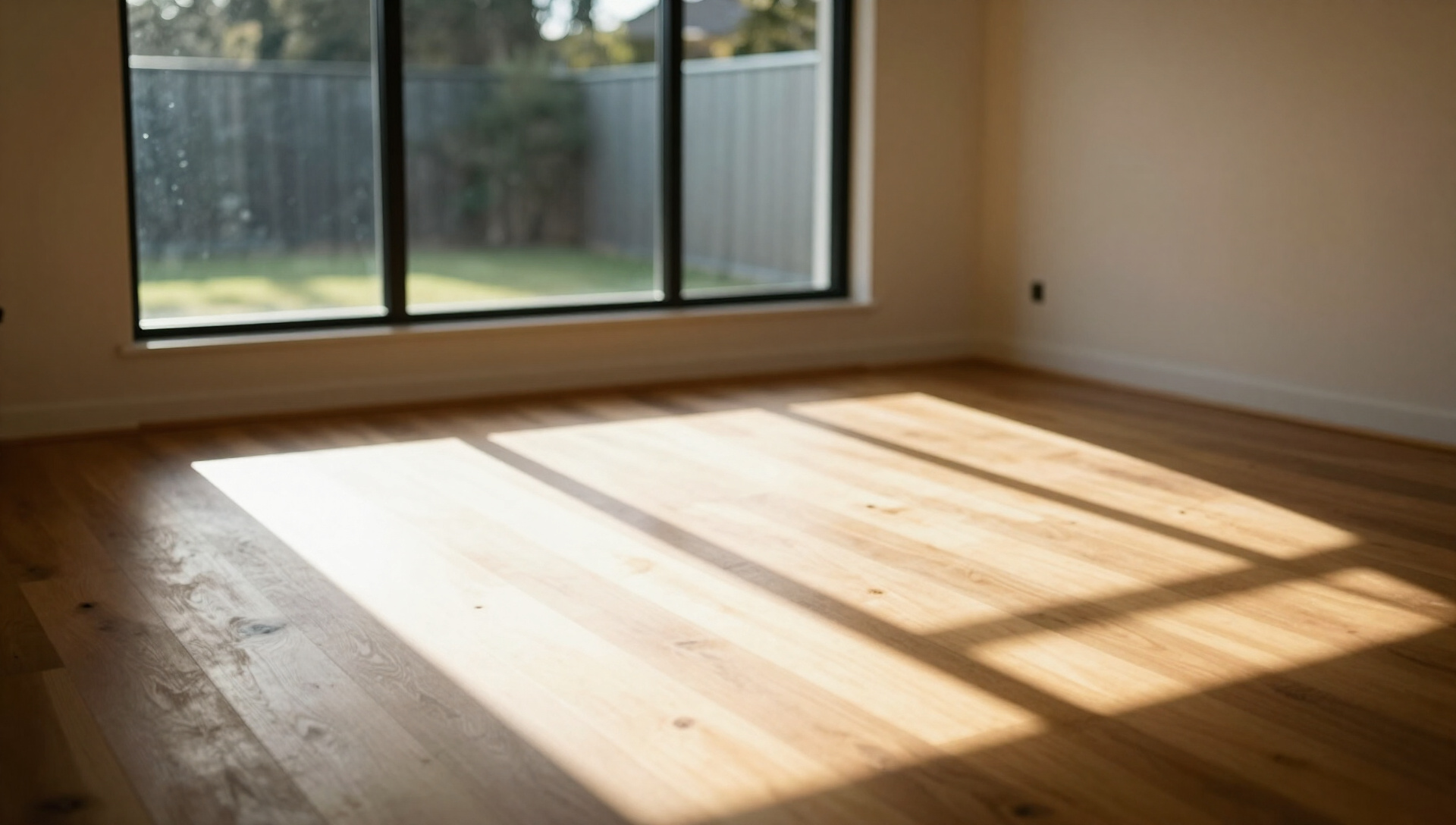
Werribee’s cool winters and exposed position make uninsulated floors a major source of heat loss and discomfort. Underfloor insulation addresses the specific issues of suspended timber floors common in the area.
Insulation between the joists slows heat transfer, so the floor surface stays closer to room temperature instead of feeling icy underfoot. This is noticeable in living areas and bedrooms above a crawl space.
Gaps between boards and around skirting let cold air rise from the subfloor. Underfloor batts or foil block this airflow, making rooms feel less chilly and reducing the load on heaters.
With less cold air entering the home, heaters run for shorter cycles to maintain comfort. Homeowners typically see a reduction in energy use during the colder months.
Reflective foil laminates like sisalation can be used where the subfloor is damp, helping manage moisture while adding thermal resistance. This also keeps ceiling dust and debris from circulating into living spaces.
Many Werribee homes built before the 1980s have no underfloor insulation. Adding it brings these houses up to modern comfort standards without major renovations.
Installation is done from the subfloor, so there is no need to remove flooring or disrupt the home. Access through a crawl space or underfloor hatch is usually sufficient.
The job is straightforward when there is enough crawl space to move under the floor. Installers work from the subfloor, so the home remains undisturbed.
Check the condition of the subfloor, joists and bearers for moisture, rot or pest damage. Clear any stored items or debris that could block access. If old insulation is present and may contain asbestos, work stops until a qualified assessor inspects it.
Measure the spacing between joists to determine the width of batts needed. Glasswool, polyester or rockwool batts are cut to fit snugly between the joists without compressing, as compression reduces R-value. Foil laminates are measured to cover the area with an air gap.
Batts are friction-fit between the joists and held in place by the natural spring of the material. Foil is stapled to the underside of the joists or laid over the ground with an air gap. All edges are sealed to prevent gaps that let cold air through.
Gaps around pipes, cables and vents are sealed with appropriate materials to maintain the insulation barrier. The subfloor is left clean, and access hatches are secured. A final check ensures no insulation is left exposed or compressed.
Werribee has many brick veneer and weatherboard homes on stumps, built when underfloor insulation was not standard. These houses often sit on large blocks with plenty of subfloor access, making installation practical. The suburb’s exposure to cold southerly winds in winter means uninsulated floors can make homes feel much colder than the thermostat suggests. Adding underfloor insulation is a cost-effective way to improve comfort without altering the home’s structure.
Stop cold floors and draughts in Werribee homes with underfloor insulation installed under suspended timber floors.
Common questions homeowners in Werribee ask about underfloor insulation, from cost factors to installation practicalities.
Underfloor insulation in Werribee targets the cold draughts and heat loss that come through uninsulated suspended timber floors. Many homes in the area were built with a crawl space under the floor but no thermal barrier, letting cold air rise through gaps in the floorboards. Installing batts or reflective foil between the floor joists blocks this airflow, making floors warmer and reducing the need for heating.
The process starts with a subfloor inspection to check for moisture, rot or pest damage and to confirm there is enough crawl space for installers to work. Batts are cut to fit snugly between joists, while foil laminates are fixed with an air gap to reflect radiant heat. Typical R-values for underfloor insulation range from R1.5 to R2.5, depending on the product and the home’s needs. Costs vary with the floor area, joist spacing, access difficulty and whether old material needs removal.
Werribee’s climate, with cold winters and hot summers, makes underfloor insulation a worthwhile upgrade for older homes. It complements ceiling insulation by addressing the other major path for heat loss and gain. Homeowners notice warmer floors in winter, fewer draughts and lower energy bills, especially in living areas and bedrooms above the subfloor.
Call Expert Insulation Melbourne on 0399695249 or email info@expertinsulationmelbourne. com. au to discuss underfloor insulation for your Werribee home.